Detecting a roof leak before it turns into a costly problem can feel like finding a needle in a haystack, especially in Spanaway where the weather can be unpredictable. Every homeowner’s nightmare is seeing water stains on the ceiling or a drip during a rainstorm.
These are telltale signs that something may be wrong above your head. With straightforward tips and steady checks, you can protect your home without overspending. Roof leak detection in Spanaway starts with knowing what to look for, acting fast, and building simple habits that last.
Understanding Common Causes of Roof Leaks
Many Spanaway common roof problems begin with wear over time. Shingles can crack, curl, or loosen, and then water slips into small gaps. Weather also matters. Heavy rain, hail, and freeze-thaw cycles can weaken materials and expose layers beneath.
In addition, poor installation and weak flashing around chimneys, skylights, and vents often create leak paths. Clogged gutters can force water to back up under edges. Without good attic airflow, moisture may build up under the deck and lead to rot or mold.
- Cracked, curling, or missing shingles
- Damaged flashing around roof openings
- Clogged gutters that trap water
- Poor attic ventilation and moisture buildup
- Debris and wildlife damage near edges
Exterior Inspection: Checking for Visible Damage
A quick walk around your home can reveal Spanaway roof repair signs early. Start by checking shingles for cracks, bald spots, or curled edges. Next, look closely at chimneys, vents, and skylights, since these areas often show wear first.
Also check roof edges for sagging gutters and stained fascia. When gutters overflow, water can run down walls and soak trim. While it may be tempting to climb up, safety comes first. Instead, use binoculars or clear phone zoom photos to track changes over time.
- Scan shingles for lifting, cracks, and missing pieces
- Look for rusted or loose flashing at roof openings
- Check gutters for bends, clogs, and overflow stains
- Trim overhanging branches to reduce scraping and debris
Interior Inspection: Signs of Water Intrusion
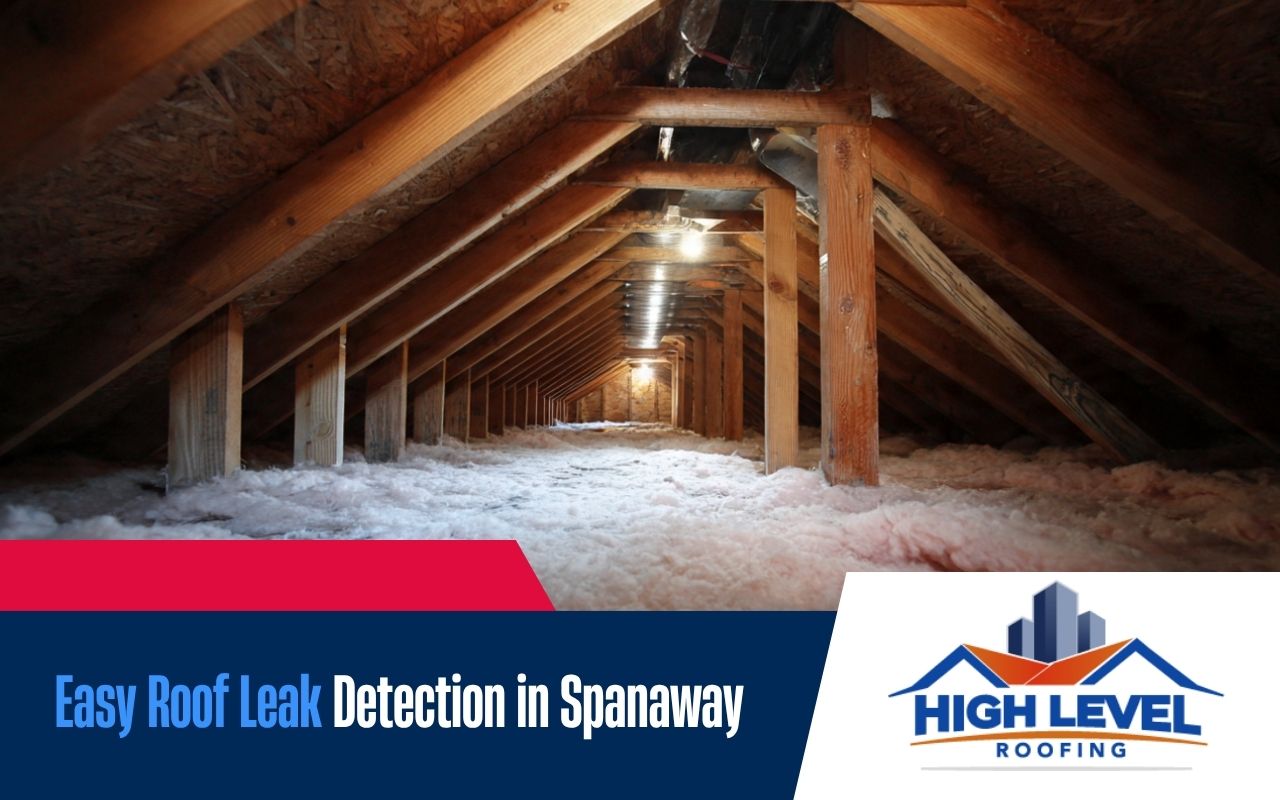
Interior checks often confirm Roof leak detection in Spanaway before damage spreads. Start in the attic and look for damp insulation, dark patches, or wet wood. Even if ceilings look fine, hidden moisture can still be active.
Musty odors, mold stains on rafters, and bubbling paint are common Spanaway roof repair signs. Also, water can travel along framing and appear near corners, lights, or wall seams. Therefore, a careful look inside can save time, stress, and money.
Importance of Regular Maintenance
Consistency is the best protection, so follow practical Spanaway roof maintenance tips year-round. Plan checks in spring and fall, and keep notes so you can spot changes. When you maintain small parts, you avoid big surprises later.
If you want a clear plan, High Level Roofing LLC can help you set a repeatable routine that fits your roof type. In addition, High Level Roofing LLC can point out early wear that is easy to miss from the ground.
- Clean gutters and downspouts twice a year
- Remove roof debris after storms and windy weeks
- Inspect seals around vents, skylights, and chimneys
- Check attic ventilation and insulation for moisture signs
DIY Roof Leak Detection Techniques
Some at-home steps can confirm if a leak is active, which supports Roof leak detection in Spanaway. Place a bucket under drips in the attic during rain and note the timing. Then, look for wet trails on the deck that point back to the entry spot.
You can also do a controlled hose test with a helper inside. Spray one roof zone at a time for a few minutes, and then pause to see if water appears. If the source stays unclear, High Level Roofing LLC can help pinpoint it faster with proven methods.
Using Technology for Roof Inspections
Technology can make Spanaway roof inspection checklist work safer and more accurate. Infrared tools can reveal temperature changes linked to trapped moisture. Drones can capture roof details without climbing, while sensors can alert you when attic humidity rises.
These tools work best when paired with a solid plan. That is why High Level Roofing LLC often combines images, moisture clues, and roof layout details to find problem zones earlier.
- Infrared scans to spot hidden moisture patterns
- Drone photos to review shingles, flashing, and valleys
- Moisture sensors to monitor attic humidity changes
Professional Roof Inspection Services in Spanaway
DIY checks are useful, yet a pro inspection can catch issues you might miss. A licensed roofer can test flashing seals, review underlayment risks, and examine tricky valleys. This is also helpful when you need Spanaway roofing contractor advice that fits local weather.
If you want a step-by-step view of what happens after issues are found, review this guide on the roofing repair process. Also, High Level Roofing LLC can provide a clear inspection summary that supports smart next steps.
Repair Options for Identified Roof Leaks
Once you confirm Spanaway roof repair signs, quick action reduces damage. Small shingle issues may need targeted replacement. Minor flashing gaps often need resealing. However, if underlayment or valleys are worn, a partial rebuild may be the better choice.
For bigger age or storm damage, replacement can be the most reliable long-term fix. If you want to plan the scope before work begins, check roofing estimations to understand how inspections connect to next steps.
Preventive Measures to Avoid Future Leaks
Prevention is easier than emergency repairs, so build habits that support Spanaway roof maintenance tips. Keep branches trimmed, clear debris after storms, and make sure water drains away from edges. Also, proper ventilation reduces moisture that can weaken roof layers.
When you want a clear next move tied to your roof’s condition, you can request a roofing quote based on what you find. This keeps your planning practical and reduces guesswork.
Frequently Asked Questions
What are the earliest signs of a roof leak inside a home?
Look for stains, bubbling paint, musty odors, and damp insulation. These are common Spanaway roof repair signs that often appear before major damage.
How often should I inspect my roof in Spanaway?
Do basic checks twice a year and after major storms. This supports Spanaway roof maintenance tips and helps you spot issues sooner.
Which roof areas leak most often?
Flashing around chimneys, skylights, vents, and valleys are frequent trouble zones. Gutters that overflow can also push water under edges.
Can I find a leak without getting on the roof?
Yes. Use binoculars outside and inspect the attic for damp spots. A hose test with a helper can also narrow the location safely.
When should I call a professional for leak detection?
If you see repeated stains, active drips, or unclear entry points, call for help. Pro Spanaway roofing contractor advice can prevent costly spread.
Keeping Your Roof in Top Shape
By understanding common causes and using a steady Spanaway roof inspection checklist, you can protect your home in every season. Combine DIY checks, modern tools, and timely repairs to reduce surprises. Roof leak detection in Spanaway works best when you act early and stay consistent.
If you want local help to confirm findings and plan repairs, High Level Roofing LLC can guide the next step with clear recommendations. With the right routine, you protect your roof, your comfort, and your budget.